Peel and Stick Floor Tile Cost in 2026: Per Sq Ft and Room
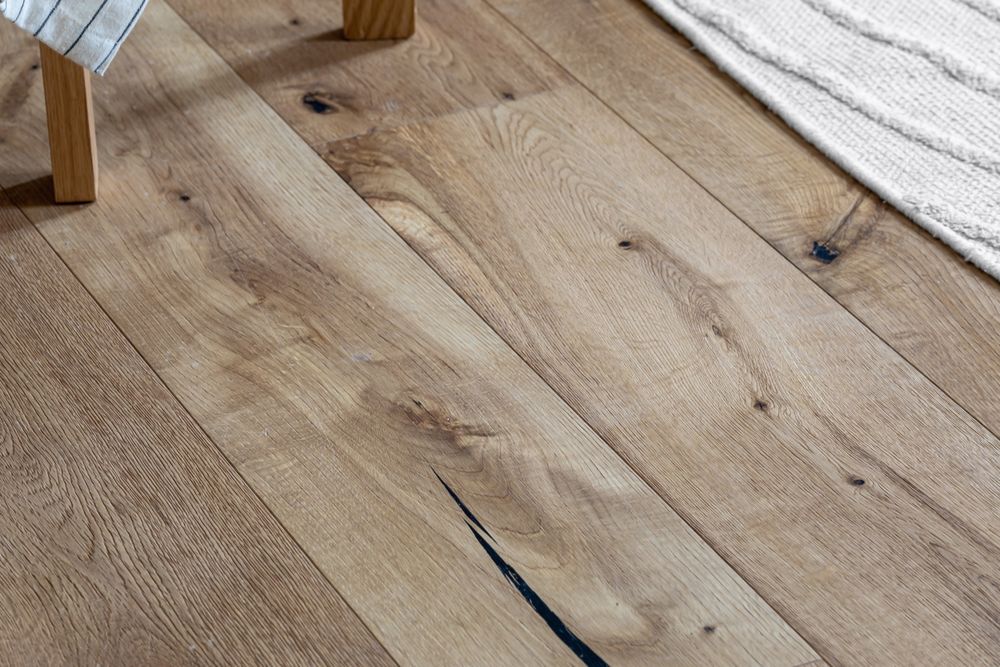
Peel and stick floor tile costs roughly $0.50 to $5 per square foot for the tile itself. This Old House (June 2026) says there are dozens of options available for less than $2 per square foot and higher-end ones around $4, while Hunker (an older, 2021 source) puts the cheapest at about $0.50 and luxury vinyl at $2 to $5. For a 120 sq ft room, buying 132 sq ft works out to about $66 to $660 in tile if you lay it yourself (our arithmetic), and labor adds more if you hire an installer.
The price is the easy part. The costs people miss are subfloor prep, a lifespan of often only 5 to 10 years, and what happens to the floor underneath when you pull the tile up. This guide covers all three, compares the tile with vinyl plank, and flags every manufacturer claim as a claim. We did not install or test any product. Room totals are our arithmetic from the sources at the end.
Want numbers for your own room? Try our free flooring cost calculator.
Peel and stick floor tile cost per square foot
Sources disagree on the exact range, which is normal for a product sold from under a dollar to several dollars a square foot. Here is what we read, with dates where the source gave one.
| Source | What it listed | Per sq ft |
|---|---|---|
| This Old House (June 2026) | Dozens of peel and stick options; higher-end options | Less than $2; about $4 |
| Hunker (updated 2021, older) | Cheapest self-adhesive vinyl; higher-end luxury vinyl | About $0.50; $2 to $5 |
| Reseller listing of an Armstrong tile | 2.6 mil wear layer, one square foot | $0.87 |
Hunker’s figures are from a 2021 update and may be dated. Retail prices shift often, so check current listings before you budget.
Cost for a typical room: a 120 sq ft example
Take a 10 by 12 foot bedroom. Because cut tiles, mistakes and a spare for future repairs eat material, we buy 10% extra: 132 sq ft. Fixr also suggests adding 10% for waste. The totals below are our arithmetic and cover tile only.
| Tier | Price per sq ft | Tile for 132 sq ft |
|---|---|---|
| Budget | $0.50 to $2 | $66 to $264 |
| Higher end | $2 to $5 | $264 to $660 |
The price tiers are our grouping of the sources above (Hunker’s $0.50 and the Armstrong listing’s $0.87 at the bottom, This Old House’s “less than $2” at the top of budget), not categories any source defined. At This Old House’s “around $4” the higher-end tile would cost about $528.
Covering a 120 sq ft room, total cost
- DIY, budget peel and stick$66–$264
Our arithmetic: 132 sq ft at $0.50 to $2. Tile only.
- DIY, higher-end peel and stick$264–$660
Our arithmetic: 132 sq ft at $2 to $5. Tile only.
- Pro-installed, budget tile$186–$744
Our arithmetic: budget tile ($66 to $264) plus $1 to $4 per sq ft labor on 120 sq ft ($120 to $480).
- DIY click-lock vinyl plank$263–$461
Our arithmetic: 132 sq ft at the $1.99 to $3.49 Floor & Decor listings in our vinyl plank guide.
- Pro-installed vinyl plank$420–$1,320
$3.50 to $11 per sq ft installed (our vinyl plank guide) times 120.
Labor figures also differ. Fixr (January 2025, older) lists labor-only costs of $1 to $4 per sq ft for plank and $1.50 to $6 for LVT or LVP. LatestCost, a low-quality source, gives $1 to $3.50 for peel and stick. We used the $1 to $4 plank range for our pro total, so treat it as a rough spread.
Quality tiers: what a higher price buys
Price differences come down to thickness, wear layer and how the tile is built. This Old House says inexpensive options have wear layers “in the .07-mil range” and heavier-duty options have wear layers “around 2.75-mil thick,” and that thicker wear layers keep the pattern longer. The Armstrong listing we read gives a 2.6 mil wear layer yet describes it as suited to light traffic, so the two sources do not line up neatly; treat wear-layer numbers as rough. This Old House’s advice is plain: avoid thin bargain-bin tiles because they wear out quickly.
Hunker gives common sizes of 12 by 12 and 16 by 16 inches at 4 to 6 mm thick. Fixr, covering vinyl flooring generally, shows price rising with thickness, from $1 to $3 per sq ft at 2 to 4 mm to $5 to $12 at 7 to 8.5 mm. That page is about vinyl floors broadly, not peel and stick specifically, so use it as a direction, not a quote.
Durability and lifespan: what manufacturers claim and what guides say
Treat lifespan numbers with caution, because most are warranties or marketing.
- Guide estimate: This Old House (June 2026) says most peel and stick flooring lasts 5 to 10 years, and higher-end options can last 15 years or more. It ties lifespan to limited water exposure, regular cleaning with mild detergents and protective pads for heavy furniture.
- Manufacturer claim (warranty): One reseller listing for an Armstrong 2.6 mil tile shows a 10-year limited warranty and describes the tile as stain, scuff and light scratch resistant. The same page lists the wear layer as suited to light traffic while its description calls the tile ideal for high-traffic spaces. A warranty is not a lifespan prediction, and limited warranties have exclusions.
- Water: Hunker and This Old House both say the tiles are water resistant, not waterproof. Excess mop water in the seams can wear down the adhesive and cause curling.
- Damage: Hunker says dropped sharp objects and dragged heavy furniture damage these tiles more easily than other floors. Single tiles are easy to replace.
For comparison, Fixr gives 10 to 20 years for vinyl flooring in general when installed and maintained properly. If we divide our budget example ($66 to $264) over a 5 to 10 year life, that is about $7 to $53 per year (our arithmetic).
Subfloor prep: where cheap floors go wrong
The adhesive layer is thin, so the floor underneath shows through and decides how long the tile stays down. Flooring Clarity and Hunker describe the same basics:
- Flat. Flooring Clarity gives a flatness target of 1/8 inch over 6 feet or 3/16 inch over 10 feet, depending on tile type. Dips and humps need leveling.
- Firm. Plywood should be screwed down so it does not bounce or squeak. Flooring Clarity says to replace any rotted or delaminated plywood.
- Clean and dry. Remove dust, paint, oil and old adhesive. Trapped debris causes bumps and weakens the bond (Hunker). Concrete should be free of sealers and curing compounds and checked for moisture; Flooring Clarity names ASTM F2170 and F1869 tests and says to use a vapor barrier if results exceed the tile maker’s limit.
- Primer if the maker says so. Some manufacturers want primer on porous surfaces like plywood (Hunker). Check compatibility so you do not void a warranty.
- Acclimate. Flooring Clarity suggests leaving boxes in the room for 48 hours. Follow the instruction sheet in your box for temperature rules.
Existing vinyl works only if it is fully adhered, smooth and not cushioned. Textured or cushioned vinyl should come out first, and ceramic tile is acceptable only if rigid and very smooth, since grout lines can show through thin tile.
Prep costs money. Fixr (January 2025) lists underlayment at about $0.50 per sq ft plus about $1 per sq ft in labor, a vapor barrier at $0.15 to $0.40, and carpet removal at $1 to $1.50 per sq ft. On our 120 sq ft room, underlayment alone would add roughly $60 in materials (our arithmetic). Fixr’s replacement subfloor figure of about $1,500 is a reminder that a bad subfloor can cost more than the tile.
Removal, renters and deposit risk
This is the part cost guides skip. This Old House says peel and stick floors can be removed with minimal damage, though some damage is possible. Flooring Clarity is more cautious: risk rises when tile goes over unsealed drywall, fresh paint or vulnerable vinyl, and residue is common.
The removal method both Flooring Clarity and Hunker describe:
- Warm the tile with a hair dryer for 30 to 60 seconds (a heat gun is harder to control).
- Lift a corner with a scraper and peel slowly at a low angle, reheating as needed.
- Treat leftover adhesive with a remover made for vinyl tile adhesive, or per Flooring Clarity a citrus remover or isopropyl alcohol, testing in a hidden spot first.
Older tiles may need more heat because adhesive can get stickier with time (Hunker). If you are removing an old glued-down floor and not your own tile, Fixr warns that glued tiles from before the 1980s may contain asbestos and should be tested before you disturb them. Fixr prices very old adhesive removal at about $5 to $10 per sq ft.
If you rent:
- Get written permission before laying a floor, and spell out any removal or repair requirements. Flooring Clarity recommends this to head off deposit disputes.
- Hunker says extra adhesive is typically unnecessary, and for a temporary install you should avoid adding any.
- Keep the receipt and packaging so you have the removal instructions.
- Budget for restoration. Flooring Clarity says to budget for potential restoration costs if damage occurs during removal, but no source we read gave a price for fixing a damaged subfloor.
Deposit rules vary by state and lease, and this is not legal advice. Our guide on getting your full security deposit back covers the documentation habits that help. For floors that do not bond to the subfloor, see renter-friendly flooring costs compared.
Peel and stick tile vs vinyl plank
Both are vinyl, but they behave differently. Our vinyl plank flooring cost guide found planks at $2 to $7 per sq ft in cost guides, $1.99 to $3.49 on Floor & Decor click-lock plank listings in November 2026 (thin glue-down plank, a different product, starts at $0.99), and $3.50 to $11 per sq ft installed.
| Peel and stick tile | Vinyl plank (click-lock) | |
|---|---|---|
| Material per sq ft | About $0.50 to $5 | About $2 to $7 in guides; $1.99 to $3.49 on listings |
| Held down by | Adhesive bonded to the subfloor | Interlocking edges, floating over the subfloor |
| Subfloor tolerance | Low; flaws can telegraph and the bond needs a clean surface | More forgiving, though still needs flat, clean, dry |
| Guide lifespan | 5 to 10 years, premium 15+ (TOH) | Vinyl floors 10 to 20 years (Fixr) |
| Removal | Residue and subfloor damage risk | No adhesive bond to the subfloor, so lower residue risk (our inference) |
Choose peel and stick if the room is small, you own the place, the subfloor is smooth and dry, and a cheap refresh for a few years is the goal.
Choose click-lock plank if you rent, the subfloor is imperfect, you want the floor to last longer, or you want to take it with you; compare more options in our guide to the cheapest flooring for a rental property.
Common mistakes
- Skipping the cleaning. Dust and grease are the usual causes of tiles lifting.
- Laying over cushioned or textured vinyl. The pattern shows through and the bond is weak.
- Ignoring moisture on concrete. Flooring Clarity says to test; do not assume dry.
- Using lots of water to mop. Water in seams can loosen adhesive (Hunker).
- Buying the thinnest tile for a hallway. This Old House warns against bargain-bin tile.
- Installing in a rental without permission. The removal risk lands on your deposit.
Ways to save
- Buy 10% extra, not 25%. Spare tiles are useful, but over-buying wastes money.
- Do the prep yourself. Cleaning and filling small dips cost little. Hiring out leveling does not.
- Compare regular price per square foot. Sale tags change, so work out a per square foot figure for every listing, as we did above.
- Pick the right tier for the room. Budget tile in a closet or spare room, higher-end tile where you walk daily.
- Skip pros for simple rooms. Hunker says an 8 by 10 foot floor takes about two hours to lay.
Peel and stick floor tile FAQ
How much does it cost to do a bathroom with peel and stick tile?
A 5 by 8 foot bathroom is 40 sq ft, or about 44 sq ft with 10% extra. At $0.50 to $5 per sq ft that is about $22 to $220 in tile (our arithmetic). Moisture matters more than price here: the tiles are water resistant, not waterproof, so seal edges and fix leaks first.
How long does peel and stick flooring last?
This Old House says most peel and stick flooring lasts 5 to 10 years, and higher-end tile can reach 15 or more. Manufacturers often print warranties, such as the 10-year limited warranty on one Armstrong listing we read, but a warranty is not a promise of lifespan. Wear layer, water exposure and foot traffic change the outcome.
Can peel and stick tile go over existing flooring?
Sometimes. Flooring Clarity says existing vinyl is acceptable only if it is fully adhered, smooth and not cushioned. Rigid, very smooth ceramic can work, but grout lines can show through. Textured or cushioned vinyl should be removed first. Always check the instruction sheet that comes with your tile.
Will peel and stick tile damage a rental floor?
It can. Flooring Clarity says residue is common and damage risk rises over unsealed drywall, fresh paint or vulnerable vinyl. Heat and slow peeling reduce the damage. Get written landlord permission, test a small area and keep the removal instructions. Rules vary by state; this is not legal advice.
Is peel and stick tile cheaper than vinyl plank?
Per square foot, yes at the low end. Peel and stick runs about $0.50 to $5 against $2 to $7 for plank in cost guides. But plank listings of $1.99 to $3.49 overlap the higher-end tile range of $2 to $5, and plank usually forgives a poor subfloor and lasts longer, so the cheaper tile is not always the cheaper floor over time.
Sources
Figures in this guide were compiled from the following pages, checked in November 2026. Retail prices change with sales and region, so treat them as planning ranges. Several other search results were low-quality content pages and we left them out.
- This Old House: peel and stick flooring: price range, 5 to 10 year lifespan, wear layer and renter notes (updated June 2026).
- Fixr: vinyl tile flooring cost: labor, removal, prep, waste and asbestos figures (updated January 2025, older).
- Hunker: peel-and-stick vinyl flooring: prices, durability, prep and renter advice (updated November 2021, older).
- Hunker: removing peel and stick vinyl tile glue: removal steps.
- Flooring Clarity: subfloor for peel and stick tile: flatness, moisture, acclimation and unsuitable subfloors.
- Flooring Clarity: are peel and stick tiles renter friendly: residue, damage risk and permission advice.
- Arbor: Armstrong 12 by 12 peel and stick tile listing: price, wear layer and the manufacturer warranty claim.
- LatestCost: peel and stick flooring cost: low-quality source, read only for a labor spread of $1 to $3.50 per sq ft; its own totals do not add up, so we did not rely on it for anything else.