Cost to Paint a Bedroom in 2026: DIY vs. Pro Price Guide
Painting a bedroom is the cheapest way to change how a room looks and feels, and the price swings a lot depending on one decision: do you hold the roller, or does a painter? Published 2026 guides put a standard bedroom anywhere from about $200 to $900 when you hire someone, while the paint itself for a DIY job is often under $100.
This guide pulls those numbers together, explains why they disagree, and shows you how to work out your own room instead of trusting a single average.
Bedroom painting cost by room size
Room size drives both the amount of paint and the labor. The table below uses 8-foot ceilings, one door and two to three windows, and works out the paint you would need. The DIY and professional ranges come from published 2026 cost guides (sources at the end); professional prices are wide because guides differ on what a “quote” includes.
| Bedroom size | Wall area to paint* | Paint for 2 coats | DIY materials | Professional (walls) |
|---|---|---|---|---|
| Small (10×10 ft) | ~285 sq ft | ~2 gallons | $40–$80 | $150–$650 |
| Standard (12×12 ft) | ~335 sq ft | ~2 gallons | $55–$120 | $200–$900 |
| Large (14×16 ft) | ~430 sq ft | ~3 gallons | $80–$150 | $300–$1,200 |
| Master (16×20 ft) | ~510 sq ft | ~3 gallons | $120–$200 | $450–$1,000+ |
*Wall area after subtracting about 20 sq ft per door and 15 sq ft per window. Paint amounts assume roughly 350 sq ft of coverage per gallon per coat.
The professional column is deliberately wide. One 2026 guide puts a standard bedroom at $200–$450, another at $300–$750, another at $300–$900, and a fourth at $500–$900. The sources do not fully explain the gap, but the likely reasons are whether paint is included, how much prep is assumed, whether the ceiling and trim are counted, and local labor rates. That is why getting two or three written quotes matters more than any average.
DIY vs. hiring a painter: what you actually pay
Standard bedroom (about 12×12 ft), typical ranges
- DIY, paint only (2 gallons)$50–$160
Budget to premium paint.
- DIY, paint plus all new tools$90–$400
If you own nothing: roller, tray, brush, tape, drop cloths, spackle. The high end assumes premium paint, primer and extra tools.
- Professional, low-end guide$200–$450
The lowest professional range among the 2026 guides we compared.
- Professional, typical quotes$300–$900
Range across several 2026 guides.
The gap between the DIY and professional bars is mostly labor. Guides estimate DIY painting saves roughly 60–70% versus hiring. One 2026 guide puts professional labor at about $1.50–$3 per square foot of wall area and another at $1.50–$4, with materials on top or built into the quote.
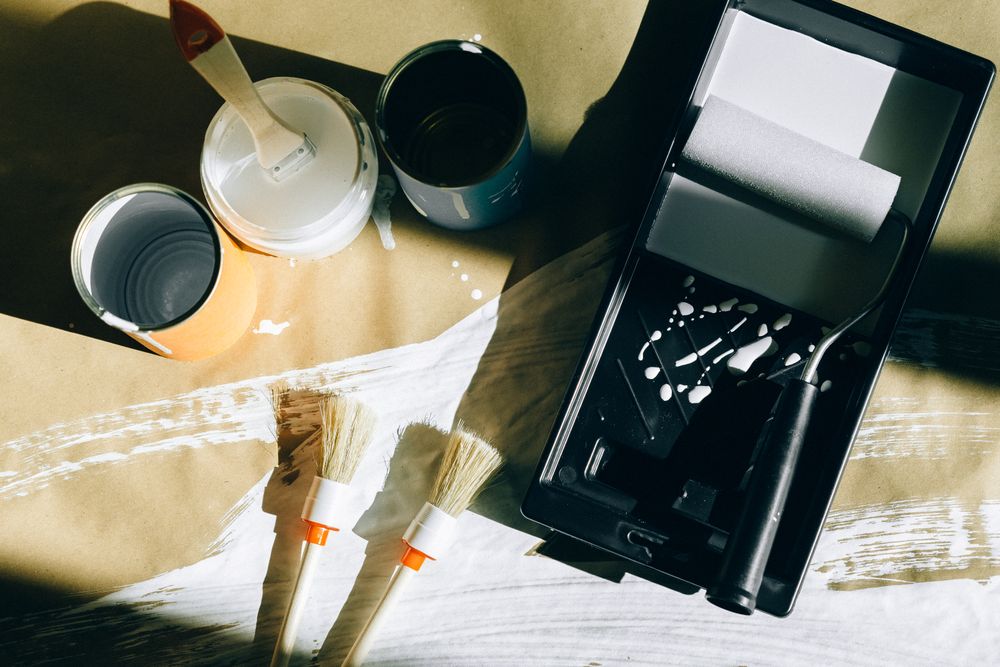
What a first-time DIY kit costs
If you do not already own supplies, published breakdowns for a standard bedroom look like this:
| Item | Typical cost |
|---|---|
| Roller and tray | $10–$25 |
| Angled brush for edges | $8–$18 |
| Painter’s tape | $6–$12 |
| Drop cloths | $8–$20 |
| Spackle and sandpaper | $5–$15 |
| Tools and supplies total | about $40–$90 |
Add the paint and the DIY total for a standard room lands around $90–$250, and guides that assume premium paint, primer and extra tools go as high as $400.
Is DIY worth your time?
A first-timer painting a bedroom should plan on roughly a full weekend once you count moving furniture, patching, taping, two coats and drying time. If we assume about 10 hours of your time and a professional quote of $500–$900 against a DIY cost of about $150–$250, you save roughly $250–$750. That works out to about $25–$75 per hour for your time. If your own hourly value is above that, or you dislike ladders and cutting in edges, hiring can be the better deal. (This is our own back-of-the-envelope calculation from the ranges above, not a figure from a source.)
How much paint do you need?
Paint manufacturers, including Sherwin-Williams, say a gallon typically covers about 350–400 square feet, which is enough for a 10×10 ft room’s walls. That number is for one coat, so two coats halve the area a gallon can handle. Here is the quick method:
- Measure the room. Add length and width, double it, and multiply by the ceiling height to get total wall area.
- Subtract openings. Take off about 20 sq ft for each door and 15 sq ft for each window.
- Multiply by coats. Two coats is standard.
- Divide by 350. Round up to the next gallon.
For a 12×12 bedroom with 8-foot ceilings: (12 + 12) × 2 × 8 = 384 sq ft of wall, minus one door and two windows (50 sq ft) leaves about 334 sq ft. Two coats is about 668 sq ft, and 668 ÷ 350 is about 1.9, so buy two gallons.
Room paint calculator
Enter your room and get paint quantity, DIY cost and a rough professional labor range.
Assumes one gallon covers about 350 sq ft per coat (manufacturers quote 350–400), a door is about 20 sq ft and a window about 15 sq ft. Professional labor uses $1.50–$3 per sq ft of wall (plus $75–$250 if you add the ceiling), a rate published in one 2026 guide; other guides quote lower totals, so real quotes vary a lot by region, prep work and painter. Treat this as a planning number, not a quote.
Paint quality: what a gallon costs
Paint price is the biggest lever you control for a DIY job. Retail prices move with sales, so use these as a guide rather than a quote.
| Tier | Example lines | Typical price per gallon |
|---|---|---|
| Budget | Valspar ExpressCoat, Glidden Essentials | about $18–$35 |
| Mid-range | Behr Premium Plus, Valspar Ultra with primer | about $30–$40 |
| Premium | Sherwin-Williams Duration or Emerald, Benjamin Moore | about $60–$100+ |
Prices are based on published 2026 guides and an August 2026 contractor price index; individual retailers and sale prices differ. The practical trade-off is coverage and durability. Budget paint can take an extra coat to hide a strong color, which eats into the savings, while premium lines cost more per gallon but are discounted often (the same index noted a 30% Sherwin-Williams promotion in August).
Extra costs: ceiling, trim, doors and repairs
The room-size numbers above are for walls only. Everything else is billed separately if you hire someone:
| Add-on | Professional cost | DIY paint cost |
|---|---|---|
| Ceiling | $75–$250 | about $20–$40 |
| Trim and baseboards | $75–$300 | a small amount of extra paint |
| Each interior door | $75–$150 | a small amount of extra paint |
| Primer | often built into the quote when needed | an extra gallon, or choose a paint-and-primer line |
| Wall repairs (holes, cracks) | added to the quote as prep | spackle and sandpaper, about $5–$15 |
What makes a bedroom cost more or less
- Ceiling height. Ceilings over 8 feet can bring a scaffolding or ladder surcharge from professionals.
- Wall condition. Wallpaper removal, cracks, stains and heavy patching add labor.
- Color change. Going from dark to light usually needs primer or a third coat; light to light is the cheapest.
- Furniture. Crews often ask you to clear the room, or charge to move furniture.
- Where you live. Labor rates depend on your metro area, which is a big reason published averages disagree.
Ways to pay less
- Do the prep yourself, hire the painting. Clearing the room, patching small holes and sanding are things most people can do, and prep is a large part of a painter’s time.
- Wait for a paint sale. Major brands run recurring promotions, and one sale can outweigh the price gap between two lines.
- Skip the ceiling if it is in good shape. Repainting only the walls avoids the $75–$250 add-on.
- Get three written quotes. Ask each painter to state what is included: paint, primer, prep, ceiling, trim, furniture moving and cleanup.
- Use one accent wall. A single wall needs a fraction of the paint and takes a couple of hours. See our guide to peel-and-stick wallpaper vs. paint if you rent and want something reversible.
Questions to ask a painter before you hire
- Is the price for labor only, or does it include paint and primer?
- How many coats are included, and what brand and line will you use?
- What prep is included (patching, sanding, caulking)?
- Is the ceiling, trim and closet included?
- Do you move furniture, and do you protect floors?
- How long will the job take, and how do you handle touch-ups afterward?
Renting? Read this before you paint
If you rent, check your lease first. Many landlords require the walls to be returned to the original color, which can mean a second paint job when you leave and a deduction from your deposit if you skip it. Our checklist on getting your full security deposit back covers the common deductions, and our renter-friendly upgrades guide lists lower-risk alternatives. If you are also updating the living room, see how much it costs to paint a living room.
Bedroom painting FAQ
How long does it take to paint a bedroom?
Professionals commonly finish a standard bedroom in one to two days including prep. A first-time DIYer should plan for about a weekend, because furniture moving, taping and drying between coats take longer than the painting itself.
Do I need primer?
Primer helps when you are covering a dark color with a light one, painting over stains or bare patched drywall, or changing between very different finishes. If the walls are in good shape and you are staying in the same color family, you can often skip it.
How many coats of paint does a bedroom need?
Two coats is the standard for even color and durability. One coat can work when repainting a similar light color with good-quality paint, but it is a gamble.
How often should a bedroom be repainted?
Painters generally suggest repainting every four to seven years, sooner in rooms with heavy wear, kids or pets.
Is it cheaper to paint a bedroom myself?
Yes, by a wide margin: guides estimate DIY costs about 60–70% less than hiring, mainly because labor is most of a professional quote.
Sources
Figures in this guide were compiled from the following published pages, checked in September 2026. Prices change with sales and region, so treat them as planning ranges.
- ThePaintCalculator: cost to paint a bedroom (2026): DIY and professional cost by bedroom size, add-ons.
- HouseToHeaven: average cost to paint a bedroom: professional and DIY ranges, ceiling, trim and door add-ons.
- Unique Home Guide: cost to paint a room (2026): DIY breakdown and professional labor per square foot.
- Paint Medics: interior painting cost: per-room ranges, paint tiers, repaint interval.
- Homewyse: cost to paint a bedroom: per-square-foot professional pricing and cost factors.
- Sherwin-Williams paint calculator: coverage per gallon.
- Carolina Renew paint price index (Aug 2026): paint price per gallon by line.