Freestanding Shelving vs. Built-In Shelving: Cost Comparison for Renters
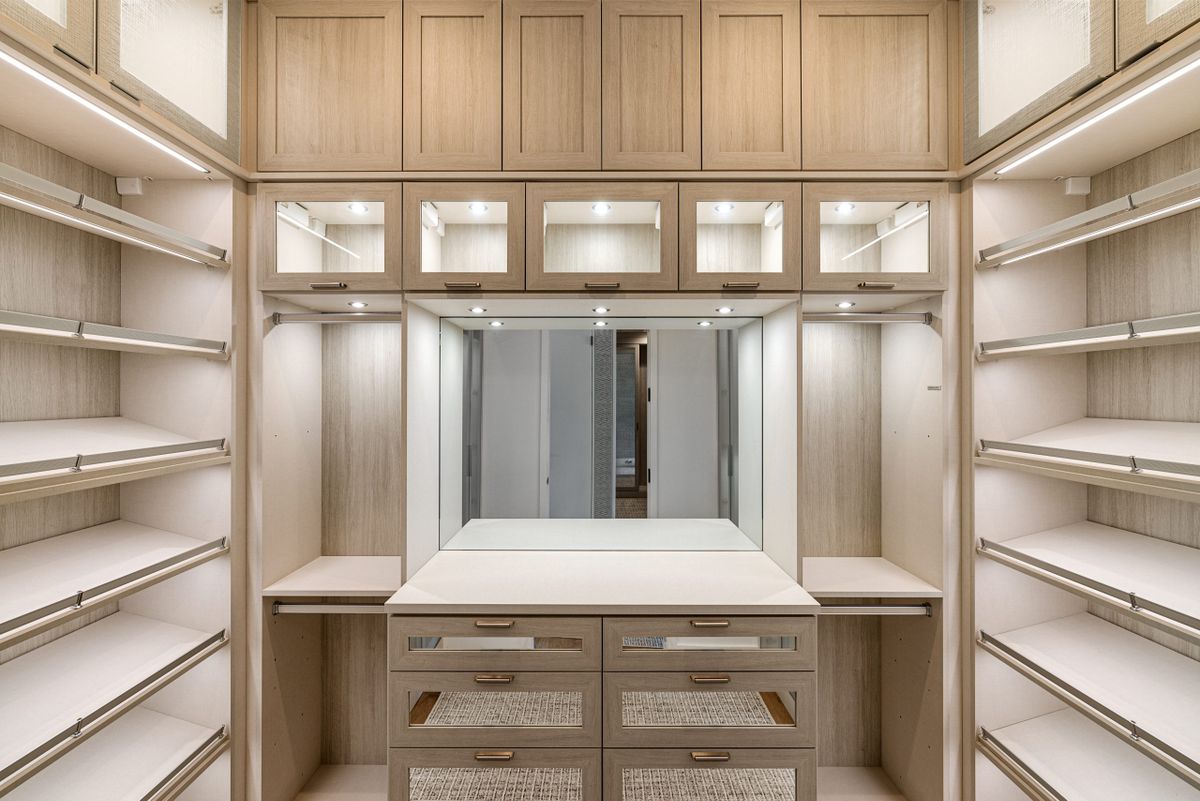
Built-in shelving looks more polished in photos, but the cost and portability trade-offs matter more than the look for most renters.
Cost breakdown
| Freestanding units | Built-in/mounted shelving | |
|---|---|---|
| Material cost (per average room, 2-3 units or run of shelves) | $80–$250 | $150–$500 (materials + brackets) |
| Install labor | None (assembly only) | $100–$300 if hired, or a full weekend DIY |
| Wall damage risk | None | Medium (multiple anchor points) |
| Takes with you when you move | Yes | No |
The real cost of “free” built-ins
Built-in shelving is often framed as cheaper long-term because “you’re not buying furniture.” In practice: you still buy lumber/brackets/finishing materials, you still spend a full weekend or pay labor, and — critically — you leave it behind when you move. A $300 built-in shelf you can’t take with you is a $300 sunk cost tied to one specific apartment.
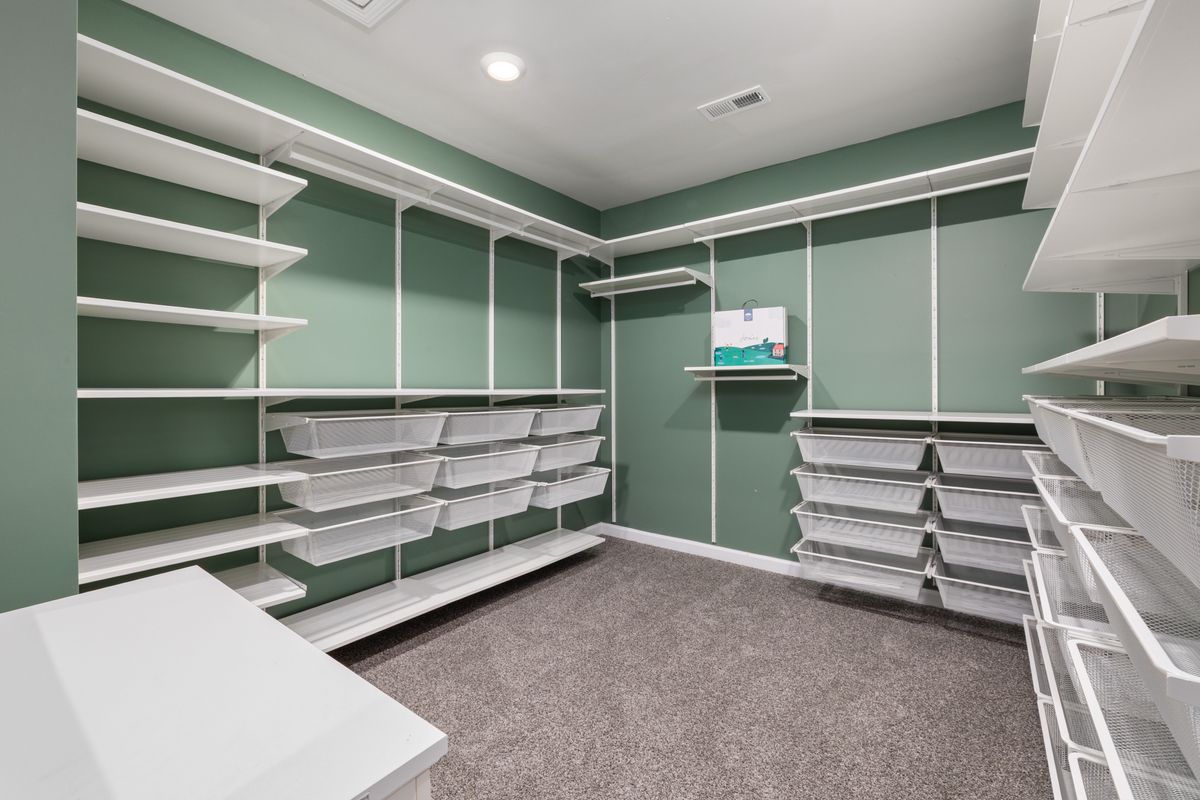
Freestanding units, even at a similar sticker price, follow you to the next place, which makes their effective cost per year of use lower if you move within a few years — which most renters do.
When built-in makes sense anyway
- You own the home and plan to stay long-term (5+ years).
- The space is an oddly-shaped nook or alcove where no standard freestanding unit fits well.
- You’ve gotten explicit landlord approval and it clearly adds resale/rental value to the unit.
When freestanding wins
- You rent, or expect to move within the next few years.
- You want flexibility to rearrange or resize your storage as your needs change.
- You want zero deposit risk — freestanding units carry none.
Bottom line
Unless you own the home or have a genuinely awkward space that only a custom build can solve, freestanding shelving is the better financial choice — same or lower upfront cost, zero deposit risk, and it moves with you.