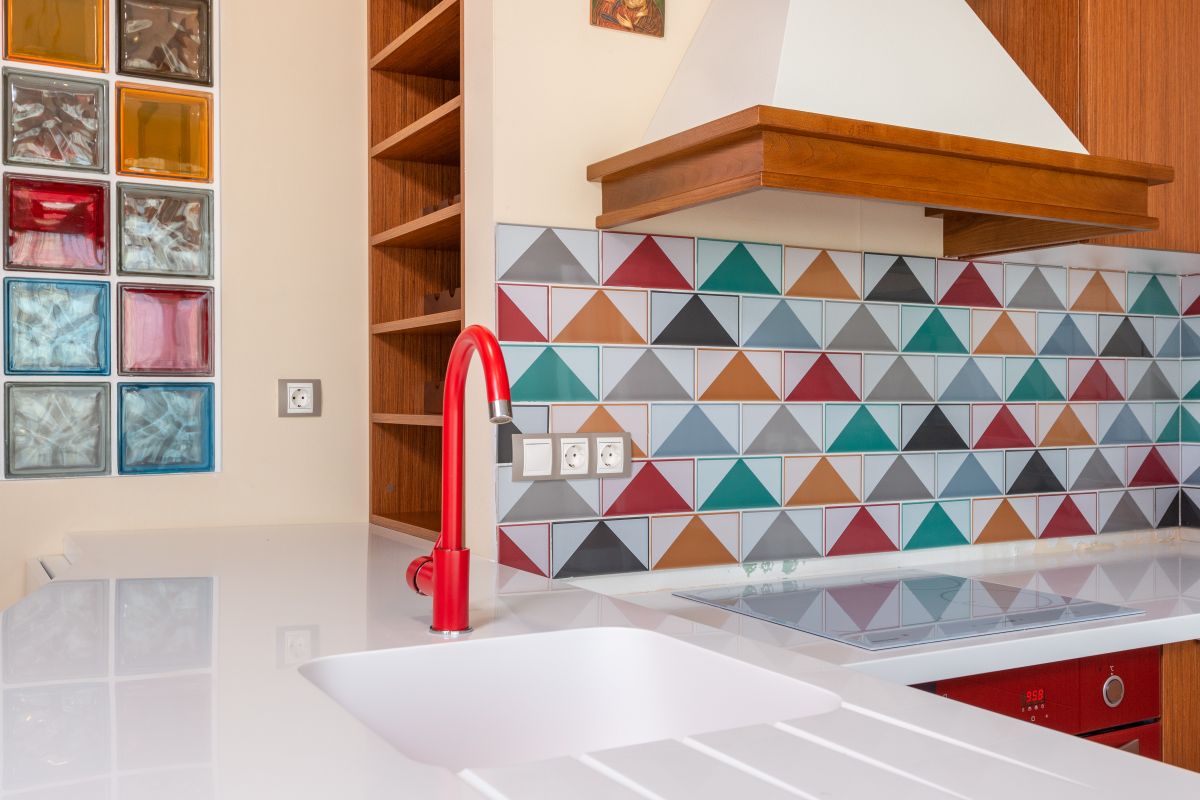
Peel-and-Stick Backsplash vs. Tile: Cost Comparison for a Rental Kitchen
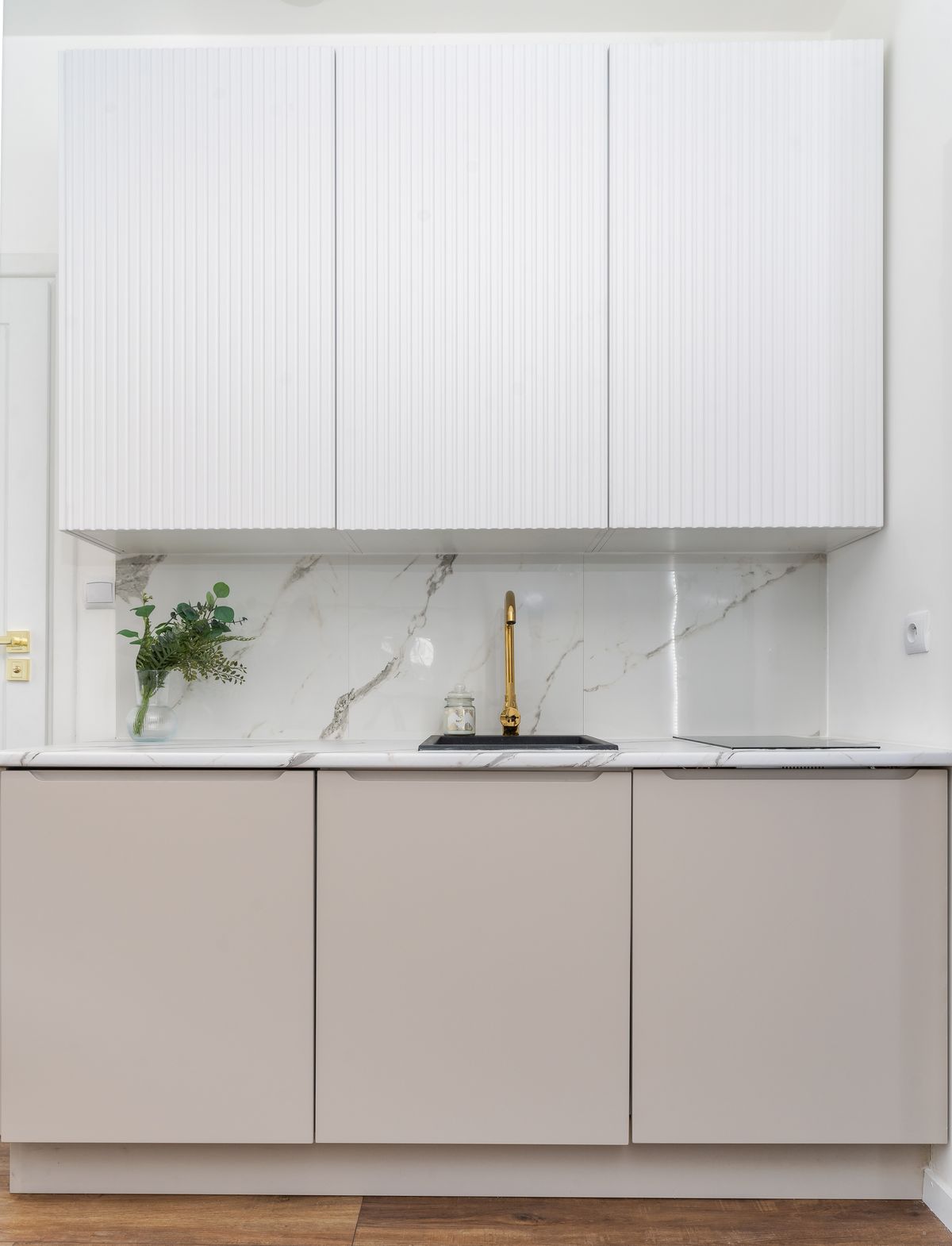
A backsplash is one of the few upgrades that changes how an entire kitchen looks in an afternoon. For renters, the question is whether that’s worth doing with real tile or a removable alternative.
Material and install cost
For an average area behind a stove and counter (roughly 30 sq ft):
| Peel-and-stick panels | Real tile | |
|---|---|---|
| Material cost | $60–$150 | $90–$300 (tile + grout + adhesive) |
| Tools | Utility knife, tape measure | Tile saw or cutter, trowel, grout float, spacers ($40–$80 if bought, or rented) |
| Professional install (if hired) | Rarely needed | $400–$900 labor |
| Typical total (DIY) | $60–$150 | $130–$380 |
Time investment
- Peel-and-stick: 2–4 hours for an average kitchen backsplash area, no drying/curing time.
- Real tile: 1–2 full days including grout curing time (usually 24–48 hours before the area can get wet).
Deposit and reversibility
- Peel-and-stick panels are designed to be removed without professional help. On a clean, sealed surface, most brands come off without residue. Rougher or textured walls are the main risk factor for leftover adhesive marks.
- Tile is a permanent installation. Removing it before move-out is a demolition job, not a weekend project, and most renters simply leave it — which only works if your landlord explicitly approved the install in writing. Undocumented permanent changes are a common source of deposit disputes.
Durability trade-off
This is where tile wins outright: real tile handles heat, grease splatter, and scrubbing indefinitely. Peel-and-stick panels are more heat-sensitive (avoid mounting directly behind a gas range without a heat-rated product) and can lift at the edges over a few years with repeated cleaning.
Bottom line
If you’re renting and don’t have written permission for a permanent change, peel-and-stick is the only option that doesn’t put your deposit at risk, and it’s cheaper besides. If you own the home or have explicit landlord approval and plan to stay long-term, tile is the better investment — see our paint cost guide if you’re budgeting a full kitchen refresh alongside it.